Education: Prospects for Cooperation
As part of the 16th Eurasian Economic Youth Forum, a forum of university rectors from Russia and abroad was held at the residence of the Governor of the Sverdlovsk region. Heads of higher education institutions from Russia, China, Kyrgyzstan, Belarus, Sri Lanka, and Tajikistan, as well as government officials, participated in the event.
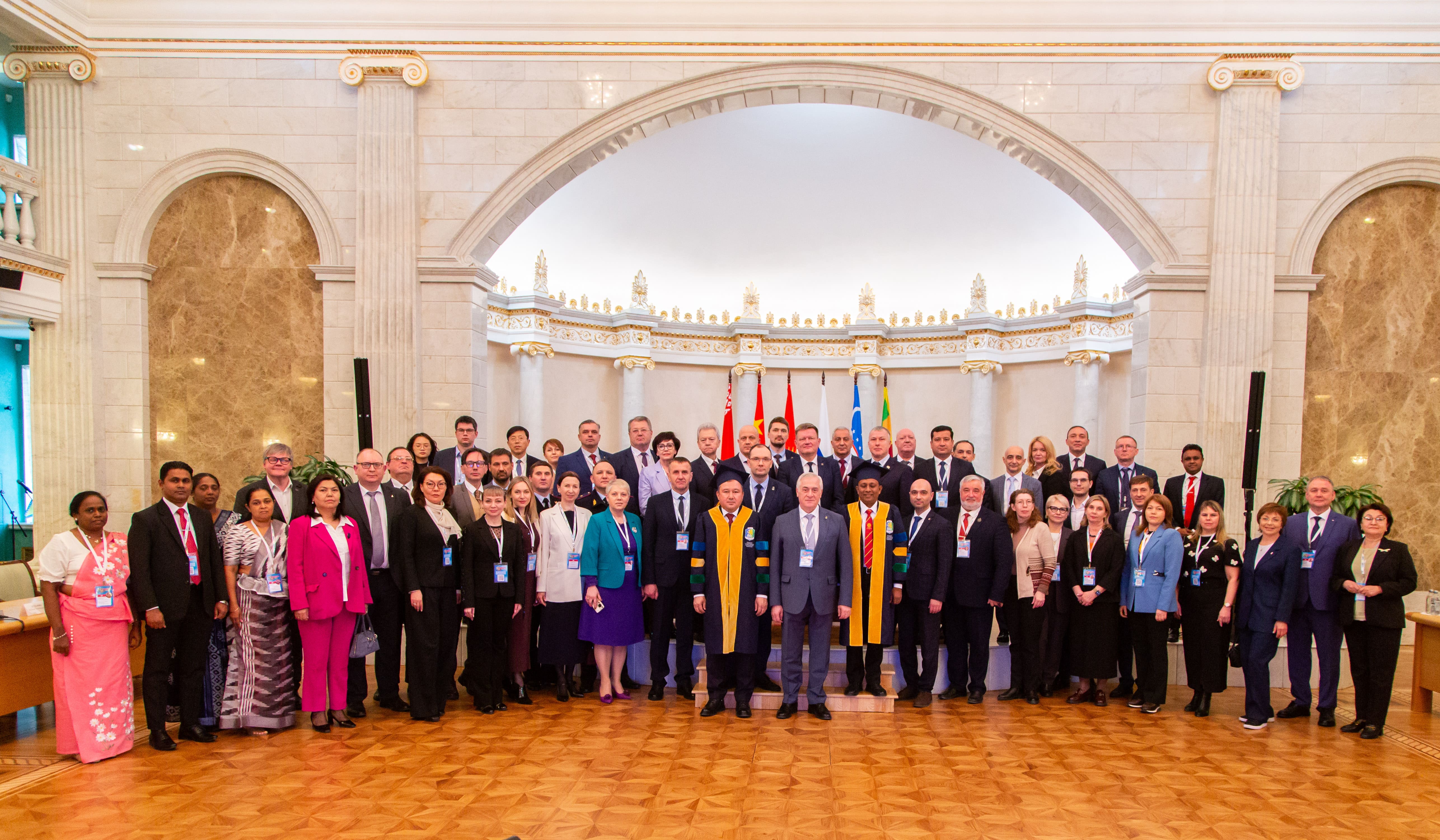
The meeting's theme was “Problems and Prospects of Eurasian Scientific and Educational Cooperation.” It was outlined by the forum's moderator, acting rector of USUE, Yakov Silin.
Opening the event, Yakov Silin noted that in in the 21st century, the role of higher education in the world was increasingly growing. It has a significant impact on the well-being of the population and the competitiveness of a country on the international scene. The successful development of any country, its economy, culture, and social sphere are impossible to imagine without the training of highly qualified personnel and the cultivation of holistic, creative, and responsible citizens.
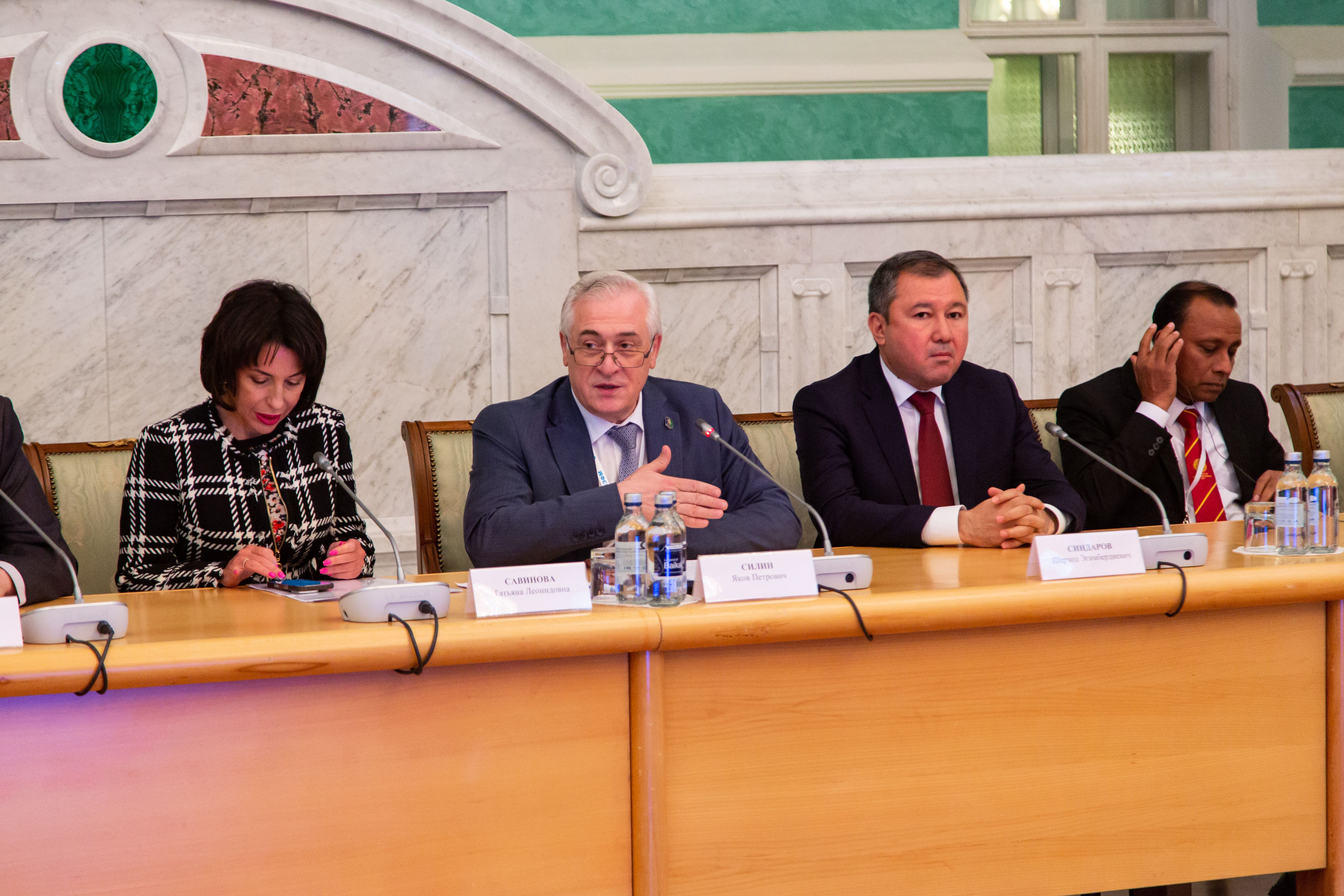
“Today, we see internationalization becoming a key trend in the development of higher education. National education systems are becoming deeply integrated into global practices. Each country's desire to attract the maximum number of international students to its universities is not just a matter of prestige; it's an indicator of the national education system's status on the international scene. The higher the proportion of international students, the more open and competitive the country appears," the head of USUE said.
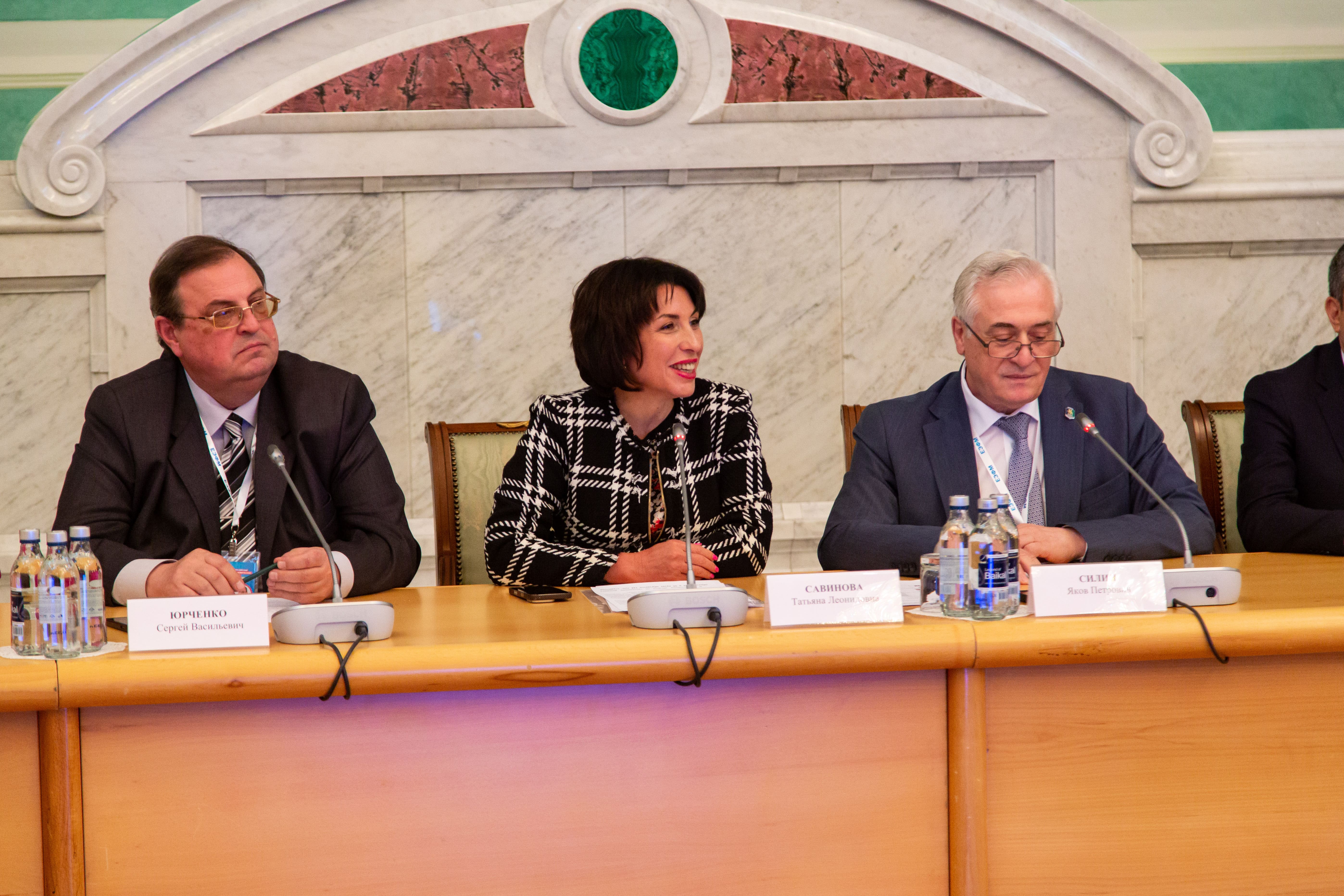
Efficient development of education and universities is impossible without interaction between government agencies. Deputy Governor of the Sverdlovsk region and Minister of Health of the Sverdlovsk region, Tatyana Savinova, welcomed the guests on behalf of the regional Governor: "Today, heads of leading universities from Russia, China, Kyrgyzstan, Sri Lanka, Tajikistan, and Belarus have gathered here. This goes to show the growing interest in our region as a platform for educational and scientific cooperation. We see how the composition of the participants has expanded. This year, almost 25,000 people are participating in EEYF, and this proves the quality of the forum."
Rectors and vice-rectors discussed ideas for developing international education. Sergey Yurchenko, First Vice-Rector of V. I. Vernadsky Crimean Federal University, spoke about the university's contribution to the development of Eurasian research and educational cooperation.
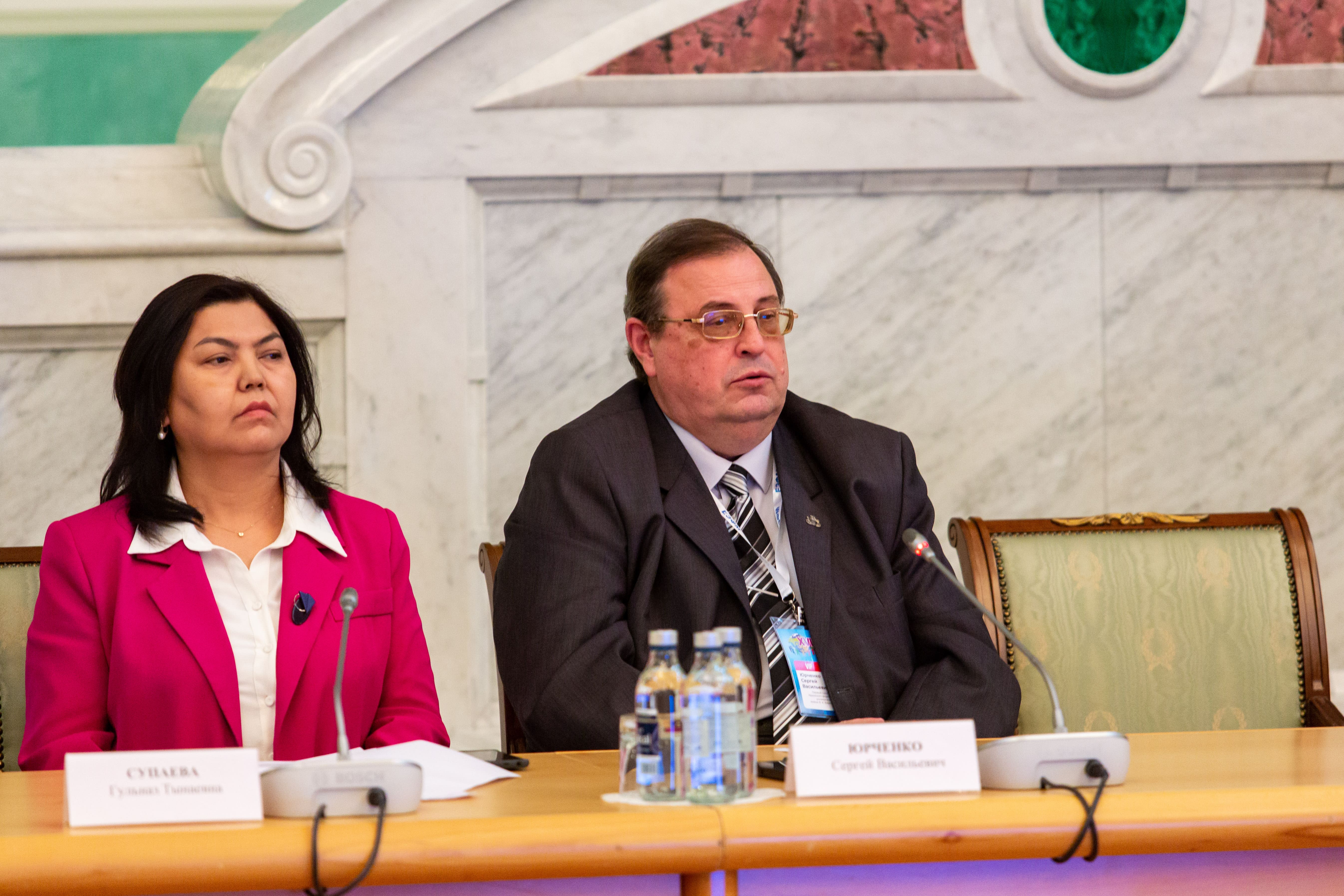
“The climate and warm weather, strong scientific schools—especially in medicine and agricultural sciences, a harmonious religious environment, and lower prices compared to other regions—are fundamental factors that allow us to effectively organize the education of international students,” noted Sergei Yurchenko.
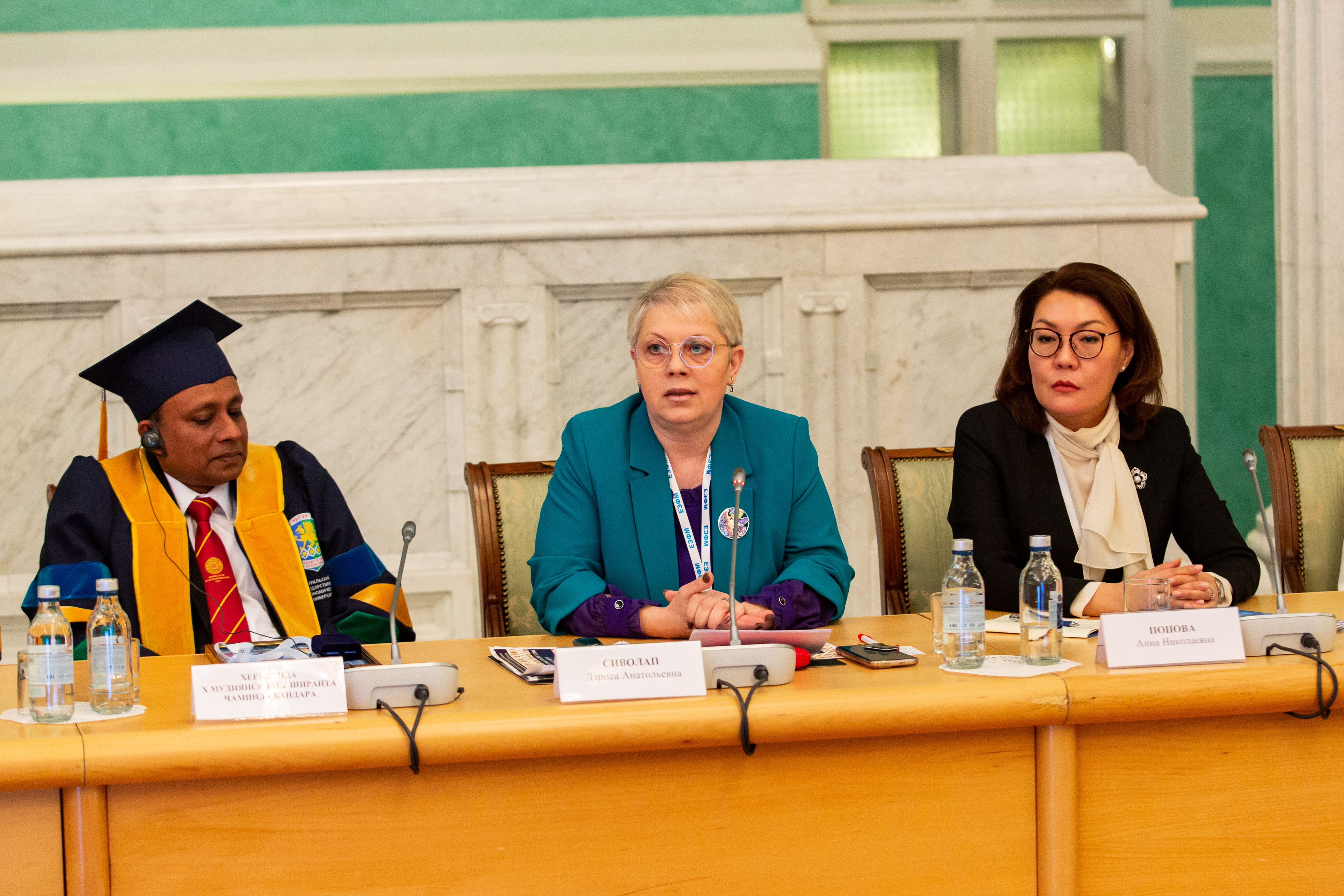
Larisa Sivolap, rector of A.I. Kuindzhi Mariupol State University, presented a report on the challenges and prospects of Eurasian research and educational cooperation: "Today, our regional economy is undergoing a period of renewal and modernization. In 2014, the Treaty establishing the Eurasian Economic Union was signed. Almost 12 years have passed, during which we made a thorny but fruitful way. The integration processes of the EAEU countries are linked to the resolution of trade and economic cooperation between the member states. Against this backdrop, insufficient attention is being paid to the social and humanitarian aspects of cooperation.”
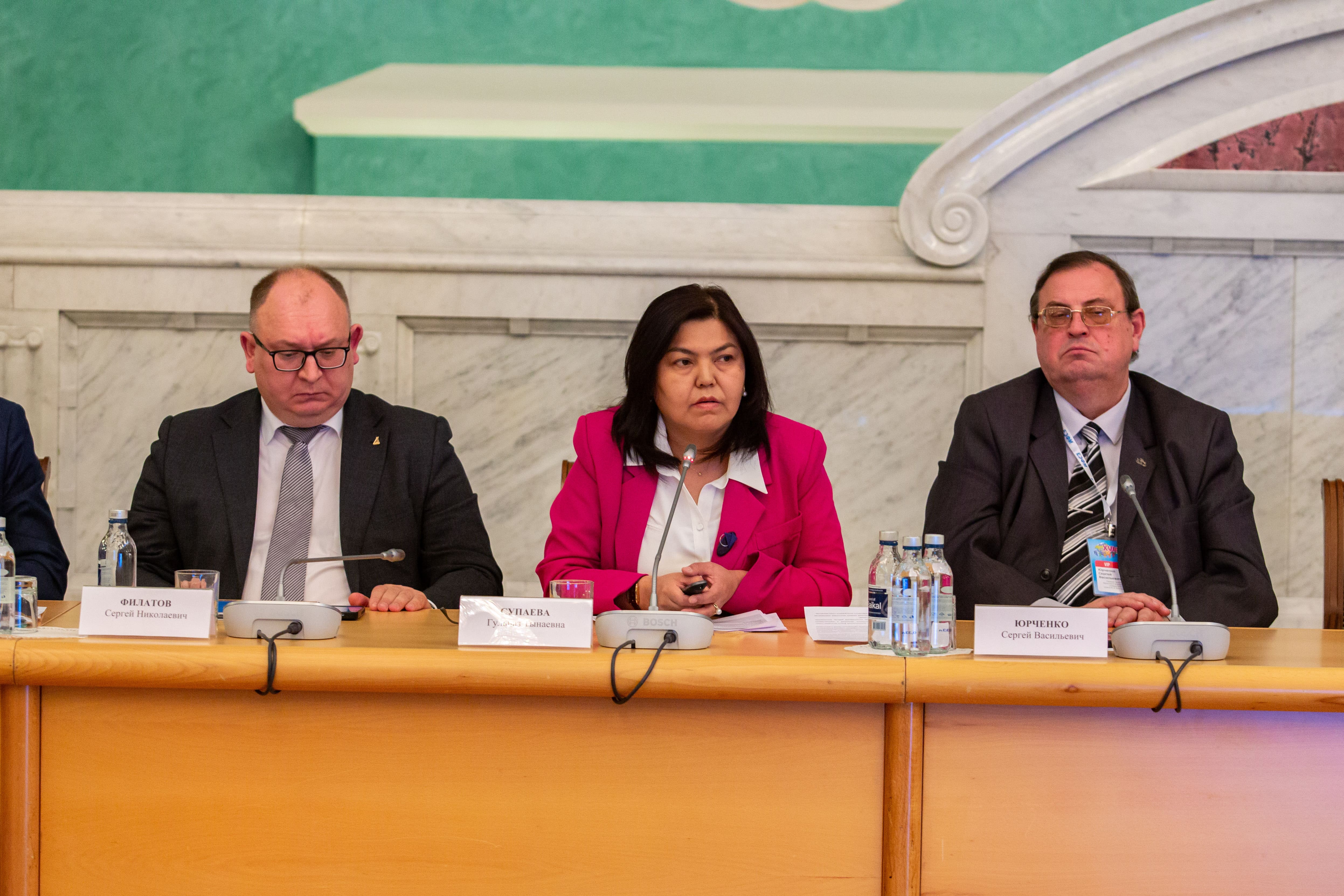
Besides, there were presentations made by Gulnaz Supaeva, rector of the M. Ryskulbekov Kyrgyz University of Economics, on the formation of a unified Eurasian research and educational space; Sergey Filatov, rector of D. Mendeleev University of Chemical Technology of Russia; Dzambolat Kambolov, rector of North Caucasus Institute of Mining and Metallurgy; Sergey Tushin, Vice-Rector for International Relations of Ural Federal University named after the first President of Russia B.N. Yeltsin; and Bakhodir Aliyev, Vice-Rector for Science and Innovation of Almaty Technological University.
A significant event of the rectors' forum was the signing of cooperation agreements between Ural State University of Economics and two universities: the Scientific Research Economic Institute of the Ministry of Economy of the Republic of Belarus and Shandong Vocational College of Industry (China).
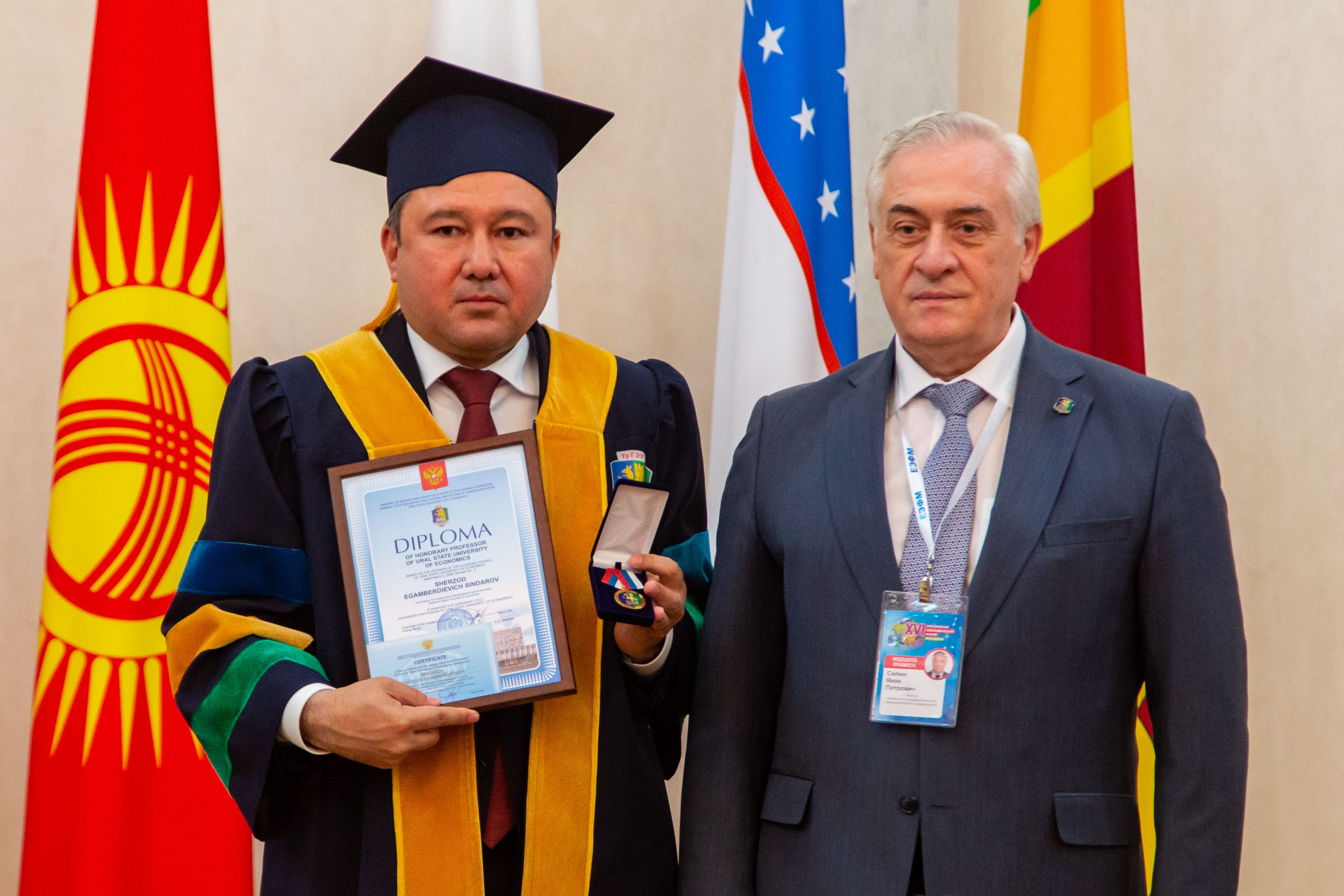
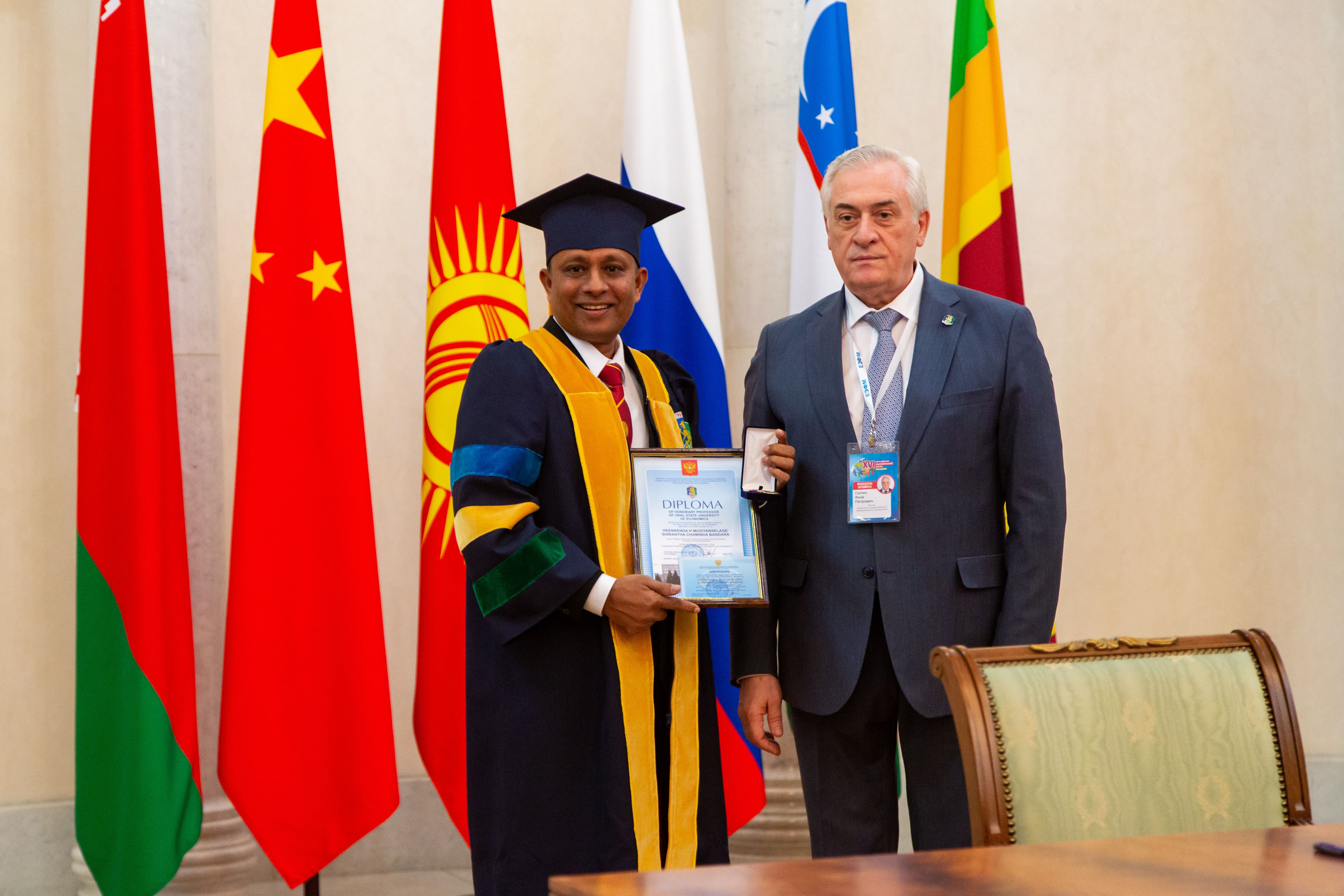
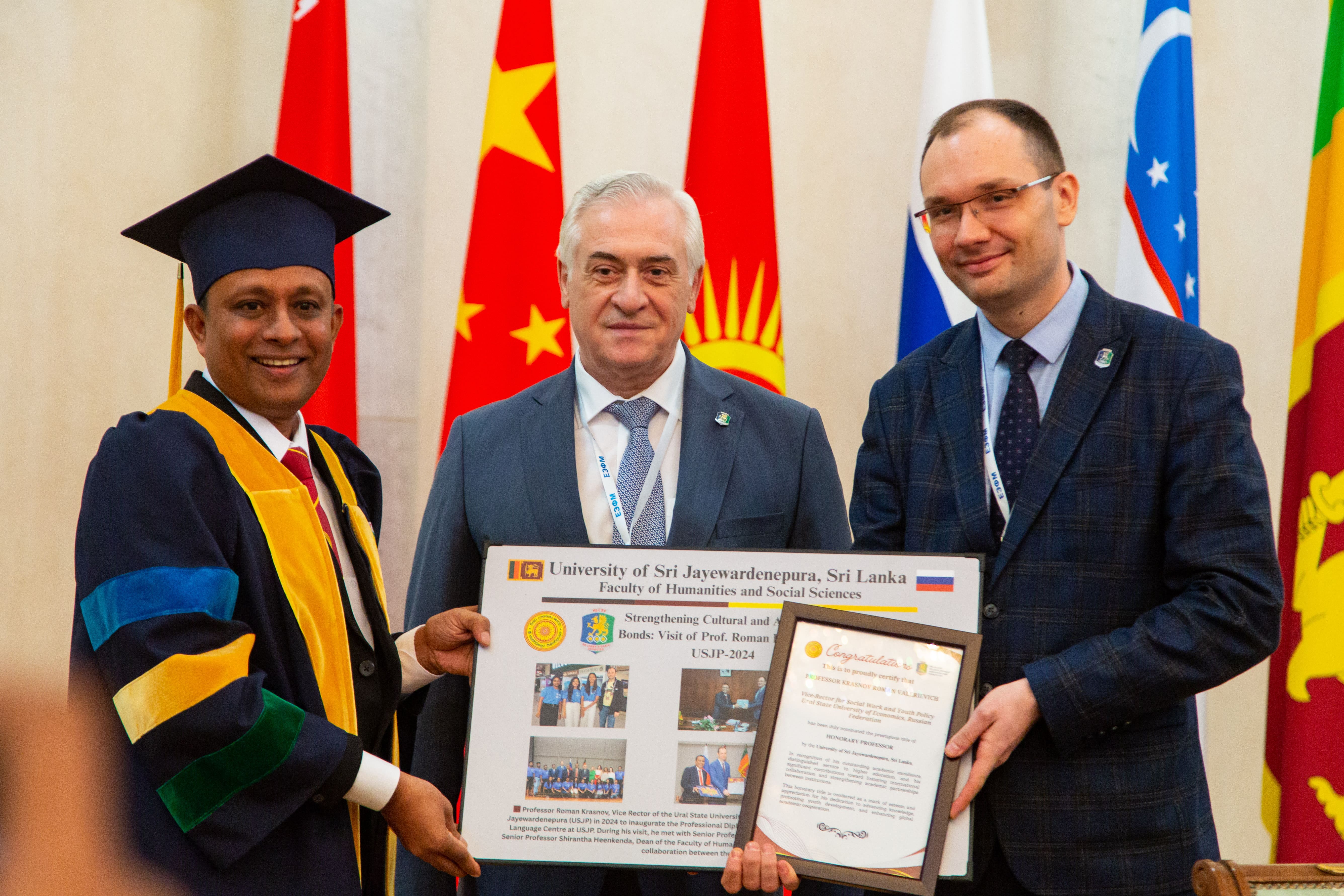
Sherzod Sindarov, Vice-Rector for Infrastructure Development and Economic Affairs of Tashkent State University of Economics, Prof. Shirantha Heenkende, dean of Huamanities and social Sciences at the University of Sri Jayewardenepura (Sri Lanka), were awarded the title of Honorary Professor of USUE. The title of Honorary Professor of the University of Sri Jayewardenepura (Sri Lanka) was awarded to Roman Krasnov, USUE Vice-Rector for Social Work and Youth Policy.
The 16th EEYF will be held from April 21 to 24, 2026, in Yekaterinburg, under the auspices of Ural State University of Economics. It will be attended by over 24,000 people from 117 countries, including Russian and international students, diplomats, rectors of leading Russian and international universities, and renowned economic experts. These are record figures in the forum's history!